Choosing Neutral Activewear Shades for Warm Versus Cool Undertones

Quick Answer: Warm undertones generally suit neutral shades with a yellow or golden base — camel, warm beige, taupe with a golden cast — while cool undertones suit neutrals with a gray or blue base — cool gray, ash beige, true taupe — and matching this to your own undertone is what keeps a neutral outfit from reading as washed out.
Neutrals are supposed to be the easy, foolproof category, but the wrong shade of beige or gray against your specific undertone can look flat instead of effortlessly put-together.
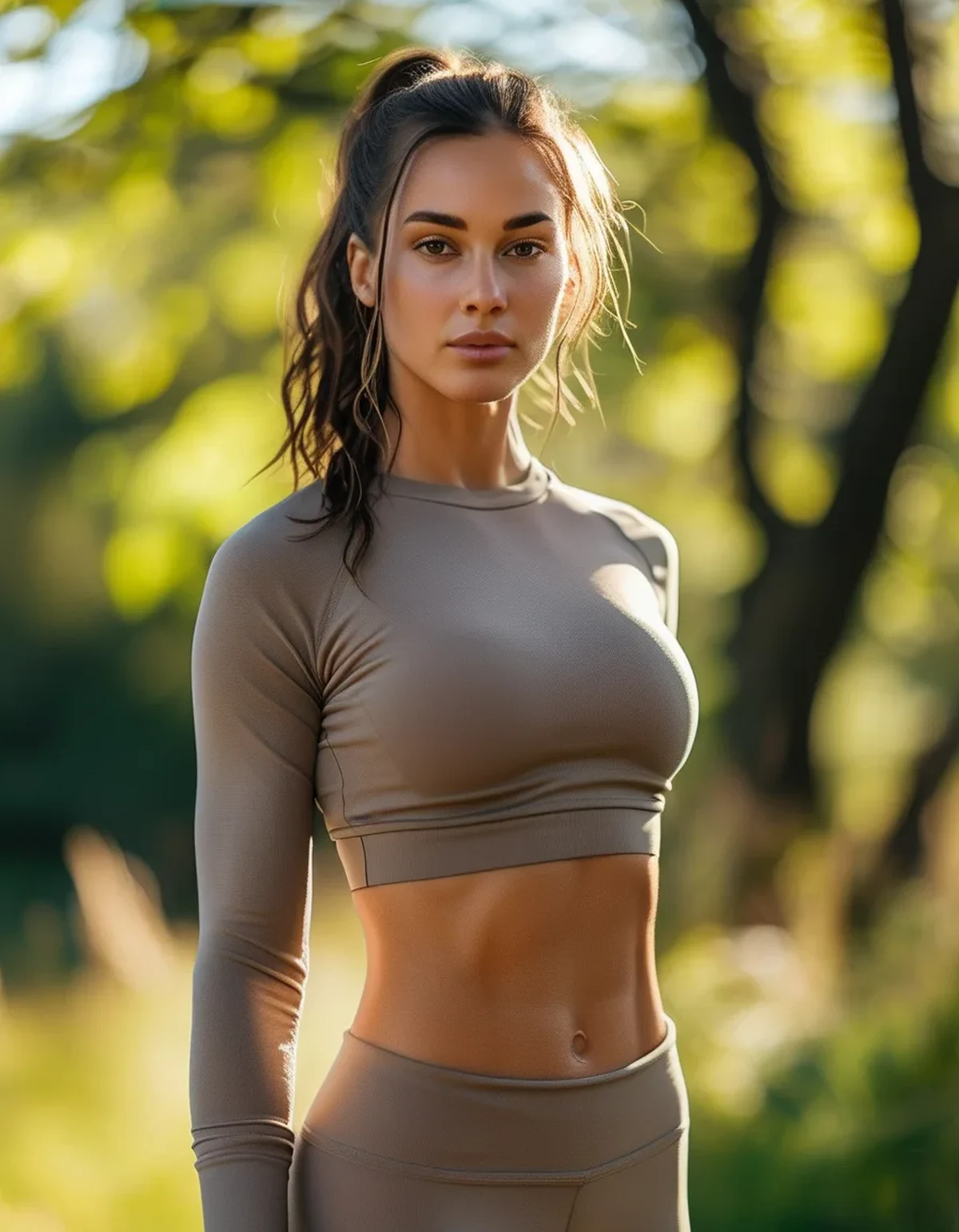
Why do neutrals vary this much when they all look ‘beige’ or ‘gray’ at first glance?
Every neutral shade — beige, tan, gray, taupe — still carries an underlying warm (yellow/gold) or cool (blue/gray) base, even though the overall color reads as muted rather than obviously warm or cool the way a bright red or blue would. This subtle undertone is exactly why one ‘beige’ top can look flattering and another ‘beige’ top from a different brand can look slightly off against the same skin, despite both being technically the same color family.
What neutral shades work best for warm undertones?
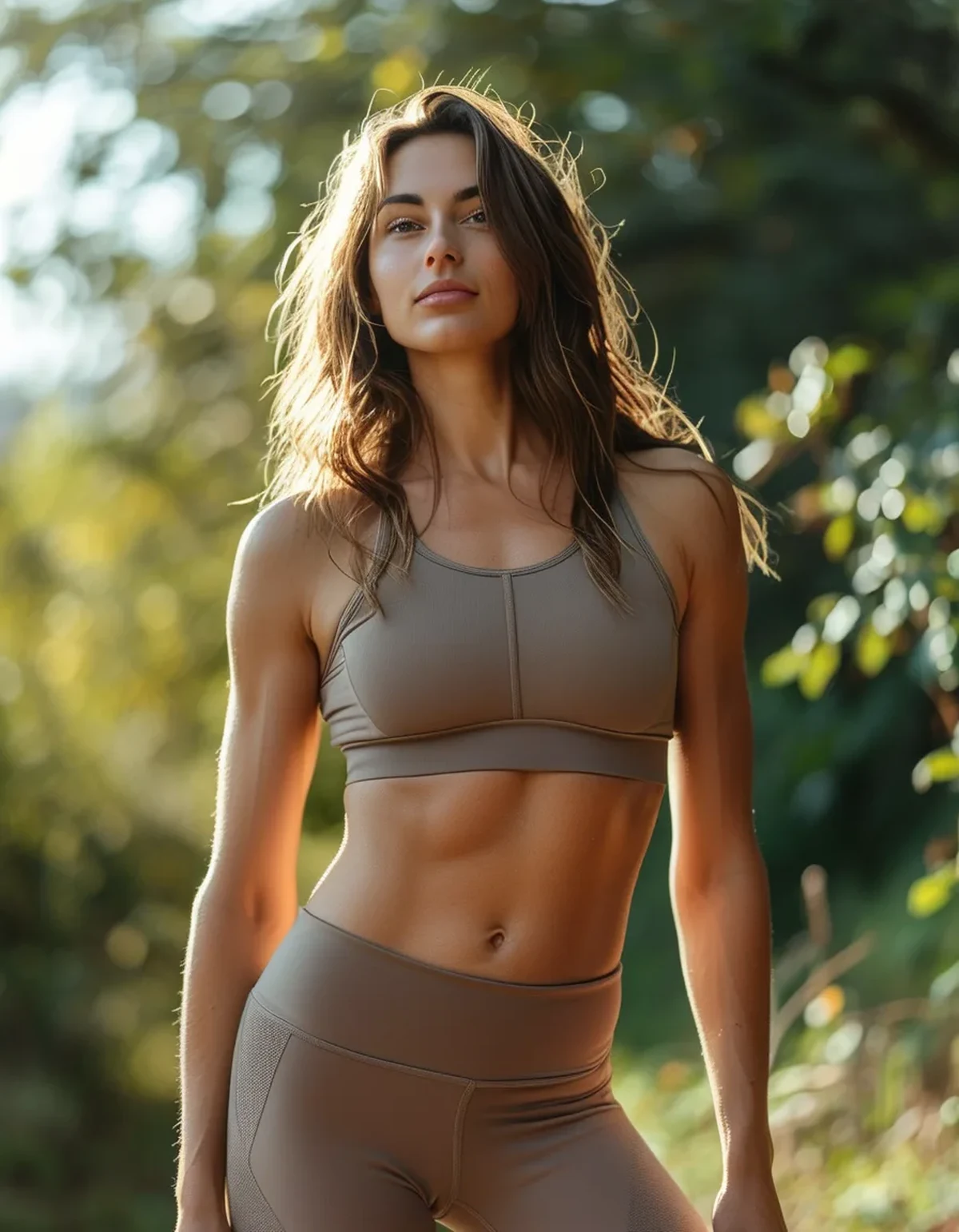
Camel, warm beige, golden tan, and taupe with a visible golden or brown cast tend to work well for warm undertones, since these shades share the same yellow-gold base warm skin naturally carries. A neutral with an obviously gray or ashy cast can look slightly dull against warm undertones by comparison, even in a shade that’s technically still ‘neutral.‘
What neutral shades work best for cool undertones?
Cool gray, ash beige, true taupe, and stone shades with a blue-gray base tend to complement cool undertones, since they share the same blue-based foundation. Golden or orange-leaning neutrals can sometimes look slightly muddying against cool undertones, similar to how a warm-toned foundation shade looks off on cool-toned skin.
Myth vs Fact: Neutral Activewear and Skin Tone
Myth: Neutrals are undertone-proof and look good on everyone by definition. Fact: Neutral shades still carry warm or cool undertones themselves — matching them to your own skin undertone noticeably changes how flattering the result looks.
Myth: Gray is always a ‘safe,’ universally flattering neutral. Fact: Gray shades range from warm-leaning to distinctly cool-blue, and the specific gray matters for how it reads against different undertones, just like any other neutral.
FAQ: Neutral Activewear and Undertone, Answered
How can I quickly test which neutral shade works for me before buying?
Holding a fabric swatch or garment near your face in natural daylight and comparing how your skin looks (brighter and even versus dull and flat) is a reasonably reliable at-home test before committing to a full purchase.
Do warm and cool undertones need completely separate wardrobes, or is there overlap?
There’s real overlap — muted, mid-tone neutrals (a true taupe or greige) often work reasonably well across both undertones, so a full separate wardrobe isn’t necessary, just some awareness at the edges (very golden or very ashy shades).
Does this undertone matching matter as much for activewear as it does for regular clothing?
Yes — the same skin-undertone principles apply regardless of garment type, though activewear’s closer, more form-fitting styles often put the fabric shade closer to more visible skin (arms, chest), which can make undertone mismatch slightly more noticeable than in looser everyday clothing.
TL;DR:
- Every ‘neutral’ shade still carries a warm or cool undertone of its own
- Warm undertones suit camel, warm beige, and golden-cast taupe
- Cool undertones suit cool gray, ash beige, and blue-based stone shades
- Muted mid-tone neutrals like true taupe often work reasonably well across both
A quick daylight swatch test near your face takes thirty seconds and saves a lot of guessing in the fitting room.
Keep Reading
This article is for general informational and styling purposes only. Fit, sizing, and product availability may vary.